Do you have vertical lines on your nails? They could tell you something important about your health
|









Most of us don't pay much attention to our nails until something changes. Suddenly there's a ridge that wasn't there before, the nail becomes brittle, changes color, or develops a rough texture — and a natural question follows: is it merely cosmetic, or is the body trying to tell us something?
Vertical ridges are lines that run from the base of the nail toward the tip. The medical term is longitudinal ridging, while onychorrhexis may be used when the ridges are accompanied by nail splitting or brittleness. The reassuring news is that for many people, especially as they get older, this is a completely normal change and not a sign of disease. However, when ridges appear suddenly, become very deep, or occur alongside other changes, they may deserve a closer look.

So what exactly are those vertical lines?
Look closely at your nails and you may notice thin lines running from the skin around the base of the nail toward its free edge. For some people they're barely visible, appearing only when light hits the nail from a certain angle. For others, they're much deeper and more noticeable.
A healthy nail doesn't have to be perfectly smooth. Fine texture and mild vertical ridges are extremely common, particularly with age. Dermatologists consider them one of the natural changes that can develop in nails over time.
So if you suddenly notice a few thin lines running along your nails, there's usually no reason to panic.
The most common reason is simply aging
As we age, our nails change just like our skin and hair. They may grow more slowly, lose some moisture, and become more brittle. Vertical ridges can become more noticeable as part of this process. Cleveland Clinic notes that vertical nail ridges are common with aging and often don't indicate a medical problem.
Dryness can also make them more prominent. Frequent hand washing, cleaning products, prolonged contact with water, or simply having dry skin and nails can lead to more ridging, peeling, and breakage. The American Academy of Dermatology notes that brittle nails often develop ridges and that keeping them moisturized can help reduce breakage.
Before assuming something unusual is going on, it's worth asking simpler questions: Are your nails dry? Do you use acetone frequently? Work with cleaning products? Get manicures often? Or have you simply not looked closely at your nails in years?
Sometimes skin conditions affect the nails too
Although vertical ridges by themselves are usually harmless, certain skin conditions can also change the structure of the nail.
Chronic eczema, for example, can make nails rough, thick, or ridged. Nail psoriasis can cause small pits, discoloration, crumbling, lifting of the nail, and other structural changes.
In these cases, there is often more than one subtle line. You may also notice changes in the surrounding skin, small pits, altered thickness, crumbling, or other symptoms.
The important point is that the overall appearance of the nail matters more than the presence of a single ridge.

What about the thyroid?
Thyroid disorders can sometimes be associated with dry, thick, brittle, peeling, or easily broken nails, and prominent ridges may also occur. Changes in nail growth or lifting of the nail from its bed can sometimes appear as well.
But these changes aren't specific to thyroid disease. If they're accompanied by other symptoms such as unexplained weight changes, unusual fatigue, extreme sensitivity to cold or heat, changes in heart rate, or other concerns, it's more reasonable to discuss them with a doctor.
Horizontal lines are a different story
Vertical ridges are common and often harmless. Deep grooves running across the width of the nail are different. These are called Beau's lines and can appear when nail growth temporarily slows or stops.
They may develop after a significant illness, high fever, injury to the nail base, chemotherapy, or other medical conditions. Because the nail continues growing afterward, the groove gradually moves toward the tip, effectively acting as a kind of "timestamp" for an event that affected the body weeks or months earlier.
If a deep horizontal groove appears across several nails at once, especially without an obvious explanation, it's worth having it evaluated.
Do nutritional deficiencies really show up on your nails?
This is one area where it's important to be cautious about online health myths.
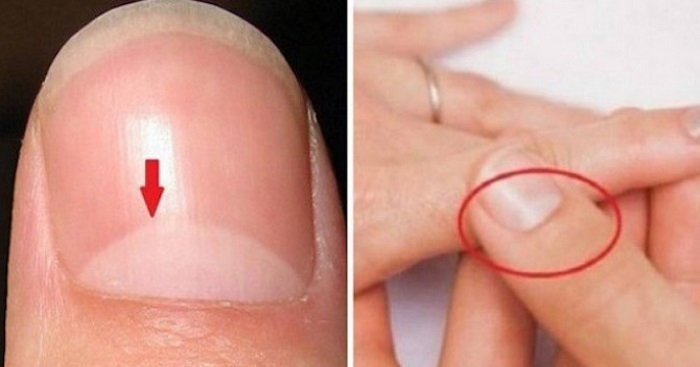
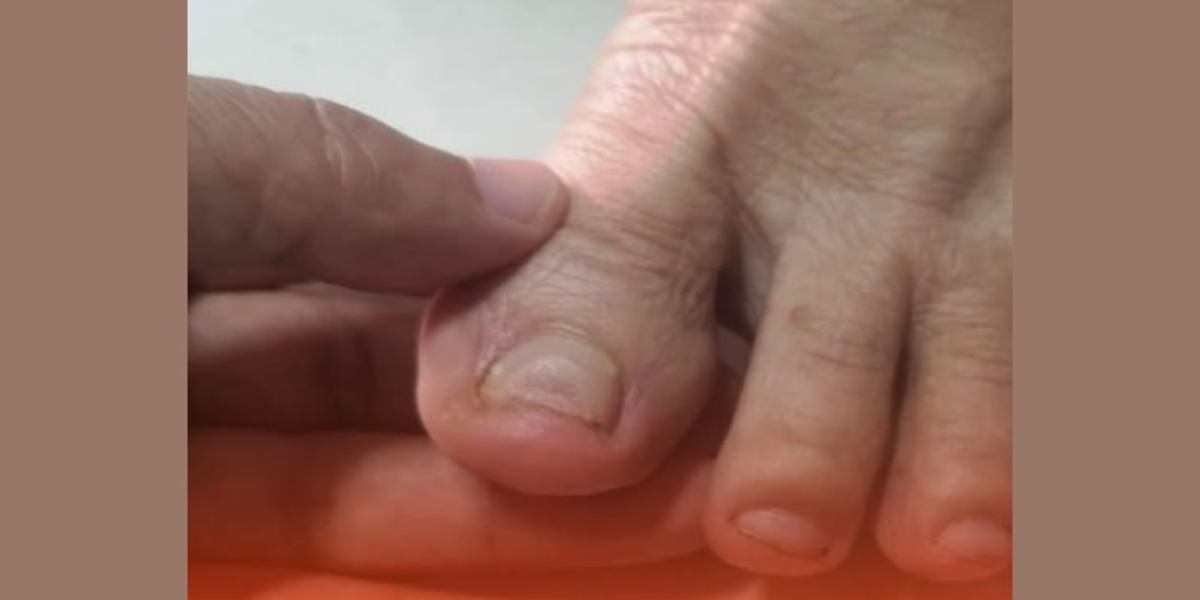
Long-term iron deficiency can cause a condition called koilonychia, or "spoon nails." The nail becomes thin and concave in the center, sometimes enough for a small drop of water to sit in the depression. It is a recognized sign of iron-deficiency anemia, although other conditions can cause it too.
By contrast, the claim that small white spots on the nails necessarily indicate zinc deficiency is much less well supported. Cleveland Clinic notes that there isn't enough evidence to reliably say that zinc, iron, or calcium deficiency causes the ordinary white spots many people occasionally notice. In many cases, a small white spot simply results from minor trauma to the nail or its base.
So if you have one small white spot, there's no need to rush out and buy a zinc supplement.

Sometimes the color matters more than the ridges
A significant change in nail color can provide more useful information than a few subtle vertical lines.
For example, fungal nail infections can cause nails to become thick, crumbly, and yellow, white, or brown. But nail polish, smoking, and trauma can also change nail color, so a yellow nail isn't a diagnosis by itself.
One change that deserves particular attention is a new dark streak, especially one that is brown or black, becomes wider, or is accompanied by darkening of the surrounding skin. In rare cases, melanoma can develop under a nail and begin as a dark streak. The American Academy of Dermatology recommends having a new streak of this kind or another significant nail change examined.
That doesn't mean every dark streak is cancer — far from it — but it is a change that shouldn't simply be ignored.
So when should you see a doctor?
Thin vertical ridges that develop gradually across several nails, particularly in older adults and without other symptoms, are usually not a cause for concern.
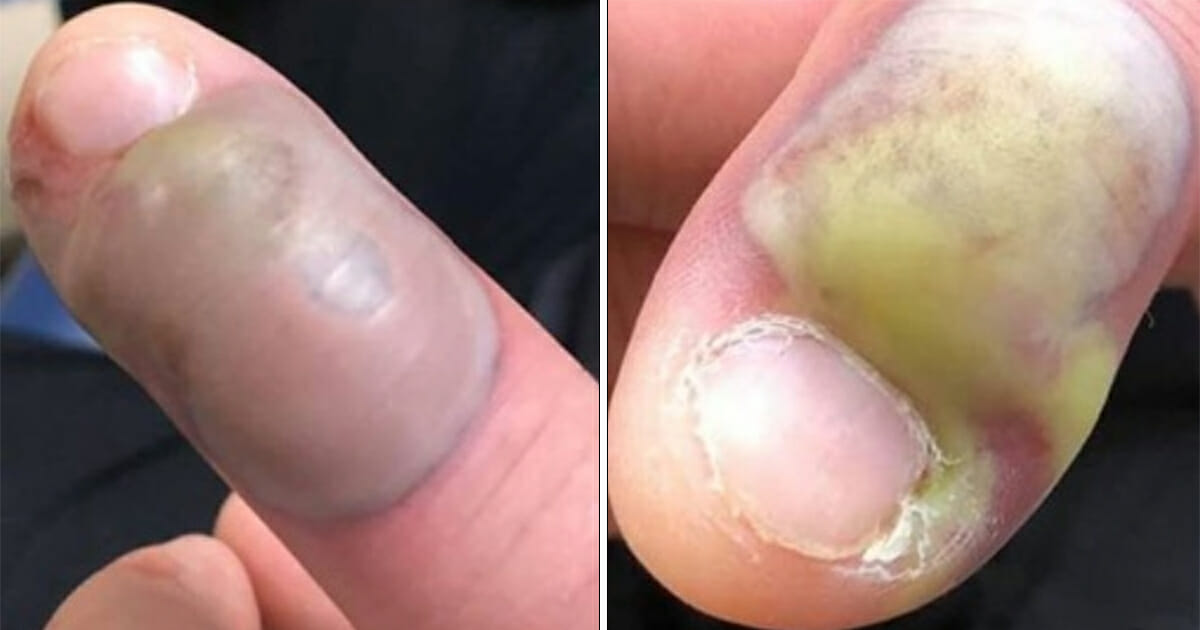
A medical evaluation is more appropriate if the change appears suddenly, the ridges become very deep, the nails begin to crumble or separate from the skin, their color changes significantly, deep horizontal grooves appear across several nails, or there is pain, swelling, or bleeding around the nail. The American Academy of Dermatology advises paying attention to new and persistent nail changes, especially when the cause isn't clear.
And if nail changes occur alongside symptoms such as extreme fatigue, unexplained weight loss, shortness of breath, or other unusual symptoms, it's more important to consider the overall picture rather than focusing on the nail alone.
What can you do at home?
If dryness and brittleness are contributing to the ridges, simple care can help. Keep your nails and surrounding skin moisturized, wear gloves when cleaning or washing dishes, and avoid repeated trauma to the nails. The American Academy of Dermatology recommends regular use of moisturizer or appropriate products to protect the nails and cuticles, especially for people with brittle nails.
Patience matters too. Nails grow slowly, so even after the underlying cause is addressed, damaged nail tissue doesn't repair itself overnight. Improvement becomes visible only as healthier new nail gradually grows out.
Your nails can offer clues — but they're not a blood test
Perhaps this is the most important point of all.
Nails can indeed change because of illness, skin conditions, nutritional deficiencies, medications, or trauma. Dermatologists sometimes use the appearance of the nails as one part of a medical examination. But you cannot look at a small ridge and diagnose iron deficiency, thyroid disease, or another condition from it alone.
A more accurate way to put it is that your nails can provide clues. Sometimes a clue has no medical significance. Other times, it may be one piece of a larger puzzle that a doctor can interpret alongside symptoms, a physical examination, and laboratory tests.
So the next time you notice vertical lines on your nails, there's no need to panic. If they're thin, appeared gradually, and aren't accompanied by other changes, they're most likely a normal part of aging or simply related to dryness.
But if deep ridges suddenly appear, horizontal grooves develop, the color changes significantly, the nails begin crumbling, or other unusual signs show up, it's worth taking a closer look rather than simply covering everything with nail polish.
Because sometimes a change in your nail is just a change in your nail.
And sometimes, it's a small clue that makes you pay attention to something much bigger.