A 16-year-old woke up to a burning neck - his mother was horrified by what she found
|









This is something most of us do without giving it a second thought.
Before going to bed, we plug our phone into the charger, place it beside the bed, and wake up the next morning with a full battery and a working alarm.
But for 16-year-old Ryes Ogdal from Oklahoma, a completely ordinary bedtime routine turned into a terrifying incident that could have cost him his life.
Ryes was sleeping with his phone charging nearby. At some point during the night, he turned over in bed, and the metal chain around his neck came into contact with exposed metal parts of the charger plug.
In an instant, an electrical circuit was created.
He felt electricity passing through his body, saw sparks near his neck, and became convinced he was about to die.
His mother, Danielle Davis, woke to her son's screams. When she saw the burn marks around his neck, she realized something serious had happened.
Now she is sharing the story in the hope that others will change one small habit around their beds before a similar accident has a much more tragic ending.

She woke up to her son screaming "Mom"
The incident happened on April 20, 2024.
Danielle was asleep when she suddenly heard 16-year-old Ryes calling for her. She quickly got up and found him standing in the hallway, with unusual marks already visible around his neck.
Ryes told her he had been electrocuted.
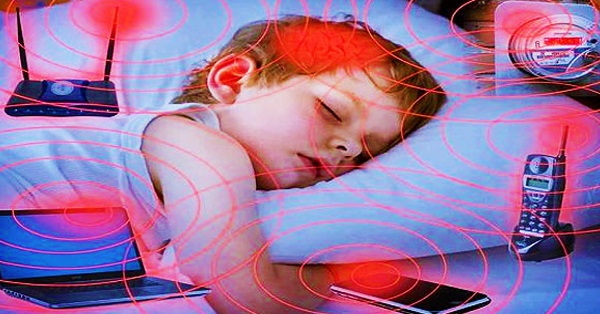
Just moments earlier, he had been sleeping with his phone connected to a charger so it would have enough battery for the next morning and his alarm would work before school.
Like many teenagers, he kept the phone and charger close while sleeping. Then he turned over to get more comfortable.
Something fell onto the bed.
What happened over the next few seconds was something the family would never forget.
The metal chain created an electrical circuit around his neck
According to the family, the metal chain Ryes was wearing came into contact with exposed metal parts of the charger plug, which was connected to an extension cord.
The metal allowed electrical current to pass through the chain. Because the chain was wrapped around his neck, it heated extremely quickly and caused severe burns along the area where it was resting.
His mother described it as though the chain had effectively created a circuit around his neck.
And it happened fast.
Ryes said the entire incident lasted only seconds, but those seconds felt much longer. He remained conscious as the electricity passed through his body, experiencing pain throughout his body and seeing sparks around his neck.
He was convinced he was dying.
He saw sparks coming from his neck
It's difficult to imagine the fear of waking from sleep at 16 years old and suddenly realizing that electricity is passing through your body.
Ryes told his mother that he could actually see sparks around the chain. His entire body hurt, and he knew something extremely dangerous was happening.
But he remained conscious enough to call for help.
In retrospect, that may have made a critical difference.
His mother later said the family was incredibly grateful that he was able to stay conscious and alert her. She couldn't help wondering what might have happened if he had lost consciousness and been unable to call for help.
Danielle didn't wait. She immediately took her son to Integris Health Baptist Medical Center in Oklahoma.

The doctors examined the burns — then came the frightening news
At the hospital, Ryes was examined by medical staff and was found to have multiple degrees of burns, including severe burns.
The family was also told that the electrical shock had been powerful enough that the incident could have been fatal.
The burns showed exactly what had happened. They covered much of his neck, extending from beneath his chin toward his collarbone.
Perhaps most disturbing was their shape.
The outline of the chain could actually be seen across his skin, showing the path where the metal had caused the injuries.
A piece of jewelry had suddenly become a source of intense heat and serious injury.
A routine most of us repeat every night
Part of what makes this story so disturbing is how ordinary the situation sounds.
Ryes wasn't deliberately playing with electricity. He wasn't taking apart a charger or putting an object into an outlet. He wasn't attempting some dangerous internet challenge.
He was simply sleeping next to a phone that was charging.
That's exactly why his mother decided to share the story.
Phones are now found in almost every bedroom. People use them as alarm clocks, scroll through them before sleeping, and often leave them on the bed or next to their pillow while they're connected to power.
After what happened to her son, Danielle believes no notification, message, or need to check a phone is worth keeping it somewhere it can come into contact with the body while sleeping.
It's not just the phone — cables and extension cords matter too
Danielle also wants people to pay attention to how chargers and cables are arranged around the bed.
In her son's case, the charger was connected to an extension cord, and she has advised others to avoid using extension cords in situations like this whenever possible.
Safety organizations also emphasize that extension cords should be used correctly and only for their intended purpose.
The U.S. Consumer Product Safety Commission (CPSC) says extension cords are not a substitute for permanent wiring and should be regularly checked for damage, wear, and faulty connections. Improper use can create both fire and electrical-shock hazards.
The Electrical Safety Foundation International (ESFI) similarly recommends avoiding damaged cords, making sure a cord is rated for the required power, and never overloading it.
Why shouldn't you sleep with your phone on the bed?
Ryes' case was highly unusual and involved a very specific combination of circumstances: a charger, exposed metal parts, and a metal chain.
But there are other reasons to keep charging devices out of the bed while sleeping.
Phones and chargers can become warm during use and charging. When a phone is placed under a pillow or covered by a blanket, heat may have difficulty escaping.
ESFI recommends keeping phones and tablets on a bedside table rather than in the bed, warning that devices that heat up while covered by pillows or blankets can create a hazard.
The CPSC has also received reports over the years involving batteries and chargers, including overheating, fires, burns, and electrical shocks.
That doesn't mean every charger beside a bed is dangerous, or that every phone being charged is about to cause an accident.
But Ryes' experience shows that an unusual combination of circumstances can sometimes turn an everyday habit into a dangerous situation.
"He could have died that night"
For Danielle, that thought remains difficult to process.
Her son was conscious. He understood what was happening, managed to reach her, and received medical treatment.
But none of that was guaranteed.
According to his mother, he could easily have died that night. The fact that he was able to alert her is something she remains deeply grateful for.
The scars remained — and so did the lesson
The incident left visible scars on Ryes' neck. According to his mother, the pattern of the chain could still be seen in the burns.
But the accident changed more than his skin.
Danielle said her son became much more aware of how he uses electrical devices and what he does around electricity.
And that may be one of the most important lessons in the entire story.
Most household accidents don't begin with something that obviously looks dangerous. Because we perform certain actions hundreds or thousands of times without anything going wrong, we stop thinking about them.
A charger beside the bed?
Normal.
An extension cord?
Found in almost every home.
A metal chain?
An ordinary piece of jewelry.
But when several ordinary things come together in the wrong way, they can create a danger nobody expected.
A few simple habits worth adopting
There's no need to panic every time you charge your phone.
But Ryes' story is a useful reminder of a few simple safety habits.
Whenever possible, charge your phone on a stable surface such as a nightstand or desk rather than on the bed itself.
Check your charger, plug, and cable occasionally for exposed wires, broken parts, loose connections, or signs of overheating.
A charger or cable that appears damaged isn't something to keep using "just a little longer."
Extension cords should also be in good condition and appropriate for the intended use rather than becoming a permanent substitute for a proper electrical outlet.
And most importantly, don't leave exposed electrical connections somewhere they could come into contact with metal jewelry or your body while you're sleeping.
One mother hopes her son's story prevents the next accident
Danielle can't change what happened to Ryes.
The scars are already there, and the memory of that morning will likely remain with the family for years.
But she can turn their experience into a warning for others.
Her message is simple:
Pay attention to where your phone is while it's charging.
Pay attention to the chargers and cables around you.
And don't assume something is completely safe simply because you've done it hundreds of times before.
Ryes was simply a teenager sleeping in his bed before an ordinary school day.
He plugged in his phone so his alarm would work the next morning.
Hours later, he woke up being electrocuted, seeing sparks near his neck and believing he was about to die.
This time, the story ended with him surviving and returning home to his family.
But his mother knows it could have ended very differently.
And sometimes, preventing the next accident may be as simple as moving your phone from the bed to the nightstand just a few inches away.
Share this story with parents and teenagers. Most of us charge our phones every night, but few of us think about what can happen when a charger, metal, and a bed come together in exactly the wrong way.