How a popular household spice can help your plants - 5 tips everyone should know
|









Cinnamon is one of the world's most popular spices and has been used for a variety of purposes for thousands of years.
You probably already know that cinnamon is good for your health because it has anti-inflammatory properties and contains powerful antioxidants.
But did you know that plants can also benefit from this wonderfully fragrant spice?
Here are five reasons to consider using cinnamon the next time you take care of your plants.
1. Keeps Insects Away

If your plants are having problems with ants, cinnamon may help keep them away.
Simply sprinkle a little cinnamon on the soil around your plants, and the ants will stay away.
2. Helps Prevent Fungal Growth

If your plants develop fungal problems, sprinkle some cinnamon over the affected areas. If the fungus is coming from the soil, spread cinnamon around the base of the plants to help prevent it from spreading.
3. Helps Heal Damaged Plants
Even the most careful gardeners sometimes accidentally damage their plants while working nearby.
If one of your plants has been injured and needs a little extra care, simply sprinkle some cinnamon over the damaged area to help speed up the healing process. Your plant may soon be looking healthy again.
4. Encourages Root Growth

If you are planting a cutting and want to encourage it to develop roots, you don't necessarily need expensive chemicals.
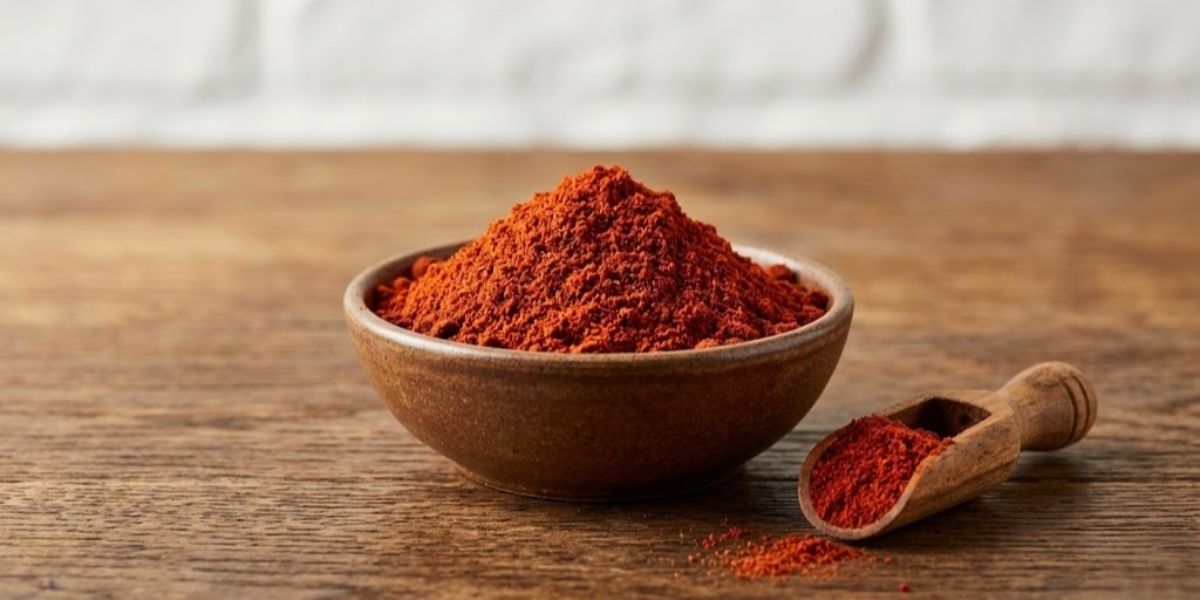
Instead, dip the cut end of the stem in cinnamon before planting it. This simple trick can save you money, while the cinnamon may help encourage root development and protect the cutting from fungal growth.
5. Helps Fight Plant Diseases

You can also use cinnamon to prepare a natural antifungal spray.
Crush two aspirin tablets and mix them with one tablespoon of cinnamon powder in half a liter of water. Let the mixture sit for 12 hours, then strain it and pour the liquid into a spray bottle.
Spray the solution onto the affected areas and allow the ingredients to be absorbed.
So there you have it! The next time your plants need a little extra care, you might want to reach for the cinnamon in your kitchen.